
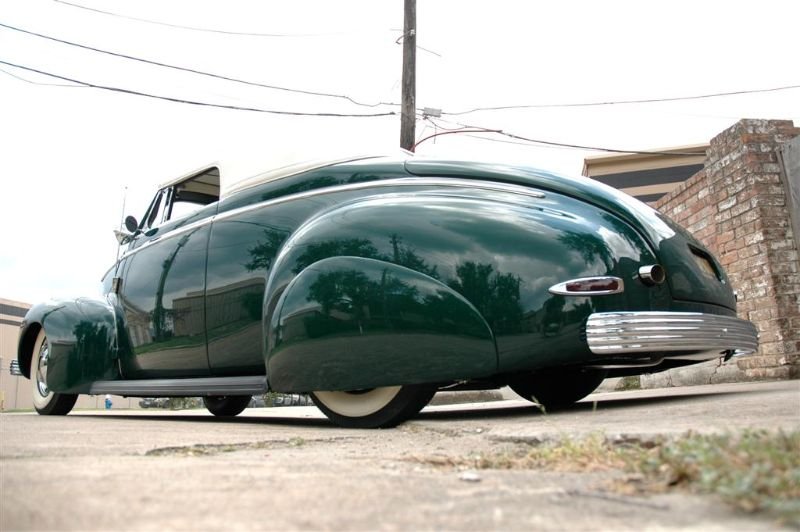
The 1940 Mercury is a vintage motor vehicle that has been commonly appreciated for its special structure and customization possible. Introduced by Ford Motor Co. in 1939, the Mercury was positioned in between the small-priced Ford V-8 and the high-class Lincoln Zephyr V-12, filling the hole in the current market for a mid-vary motor vehicle.

The 1940 Mercury has a muscularly bulbous design that lends itself nicely to customization. For the duration of the early 1940s, a lot of custom made touches had been added to the automobile, including ’37 DeSoto ‘ripple’ bumpers, ’41 Studebaker taillights, teardrop skirts, and ‘flipper’ hubcaps. The car’s unusual previously mentioned-the-bumper twin exhausts and twin Appleton spotlights were also well-known customizations of the time.
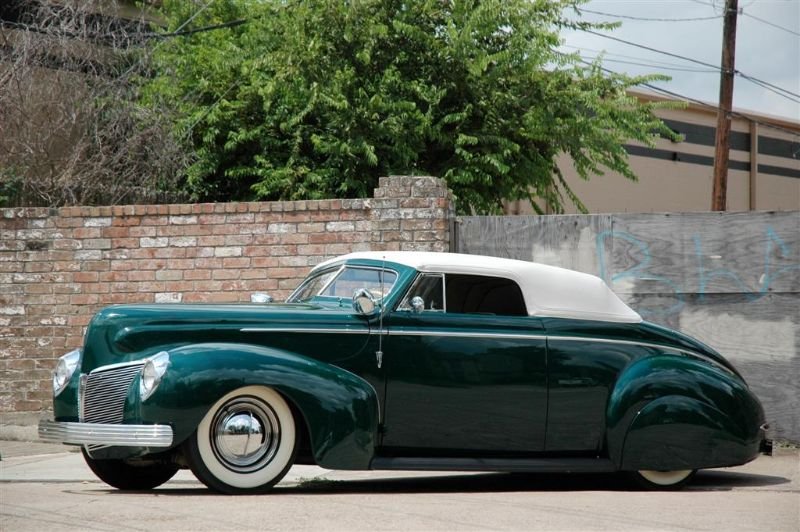
One of the most significant modifications produced to the 1940 Mercury was to the motor. The car’s 1940 flat-head V-8 block was bored and stroked to 276 cubic inches, with the ported and relieved motor working an Isky 3/4 cam. Other modifications incorporated the addition of chromed cylinder heads, a Weiand twin-carb setup, and a modified Lincoln-Zephyr V-12 twin-coil ignition, which were all preferred pace tools of the time.

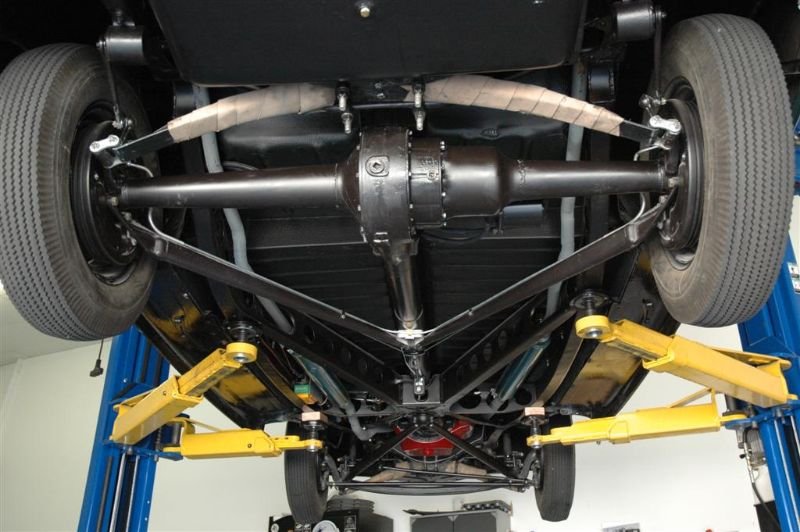
To enhance the car’s driving expertise, the Merc’s three-velocity manual transmission was modified with Zephyr gears and a Zephyr two-speed overdrive rear axle. The body was “C’d” about the rear axle, whilst a Zephyr hypoid differential allowed the auto to sit lessen without the need of reshaping the manufacturing unit-form driveshaft tunnel. Zephyr self-energizing hydraulic brakes presented stopping power.

All of these period modifications built the 1940 Mercury a incredibly awesome driving motor vehicle that could cruise easily at highway speeds. While the vehicle has given that grow to be a collectible common, its style and design and customization potential continue on to encourage vehicle fanatics today.









Leave a Reply